Responsible Gambling Tools Every UK NFL Bettor Should Know
 Available in US
Why tools matter on a sport with 90+ bets per matchday
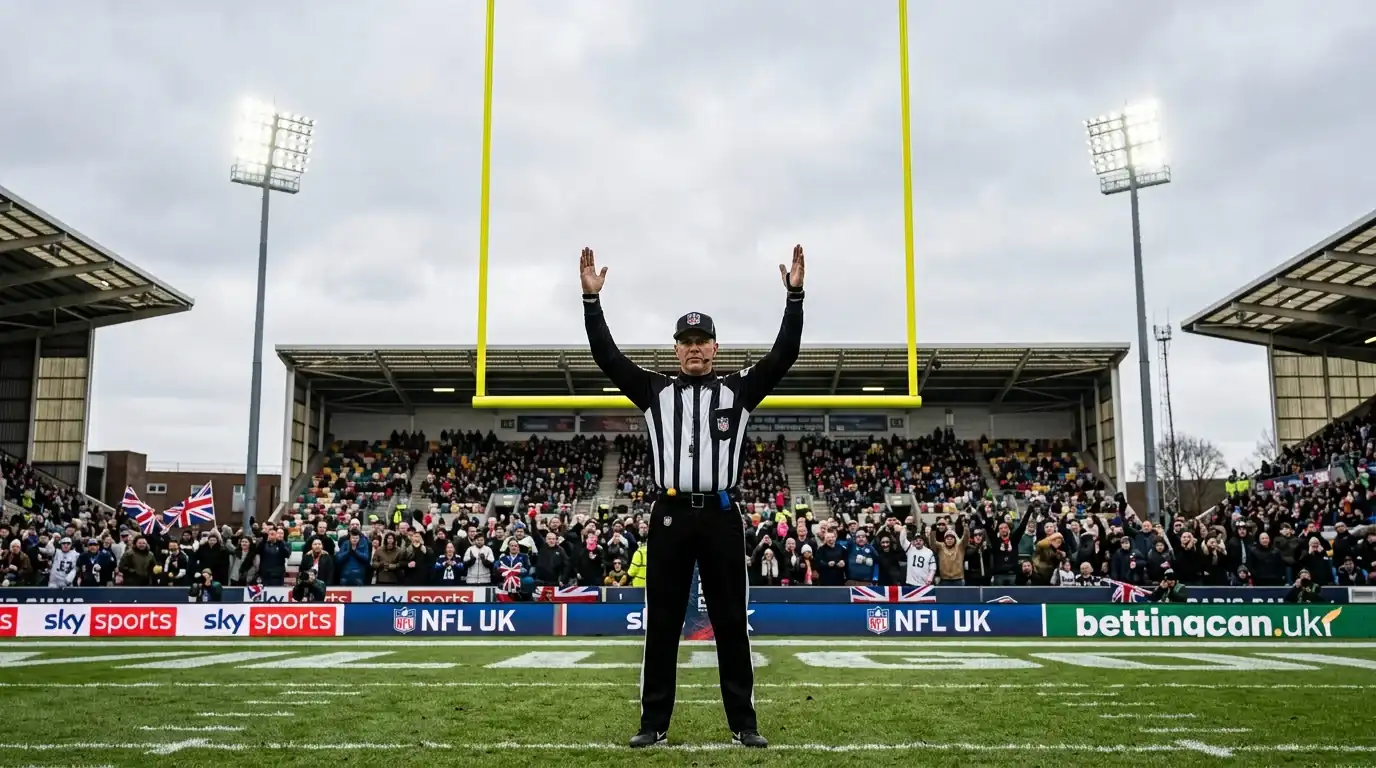
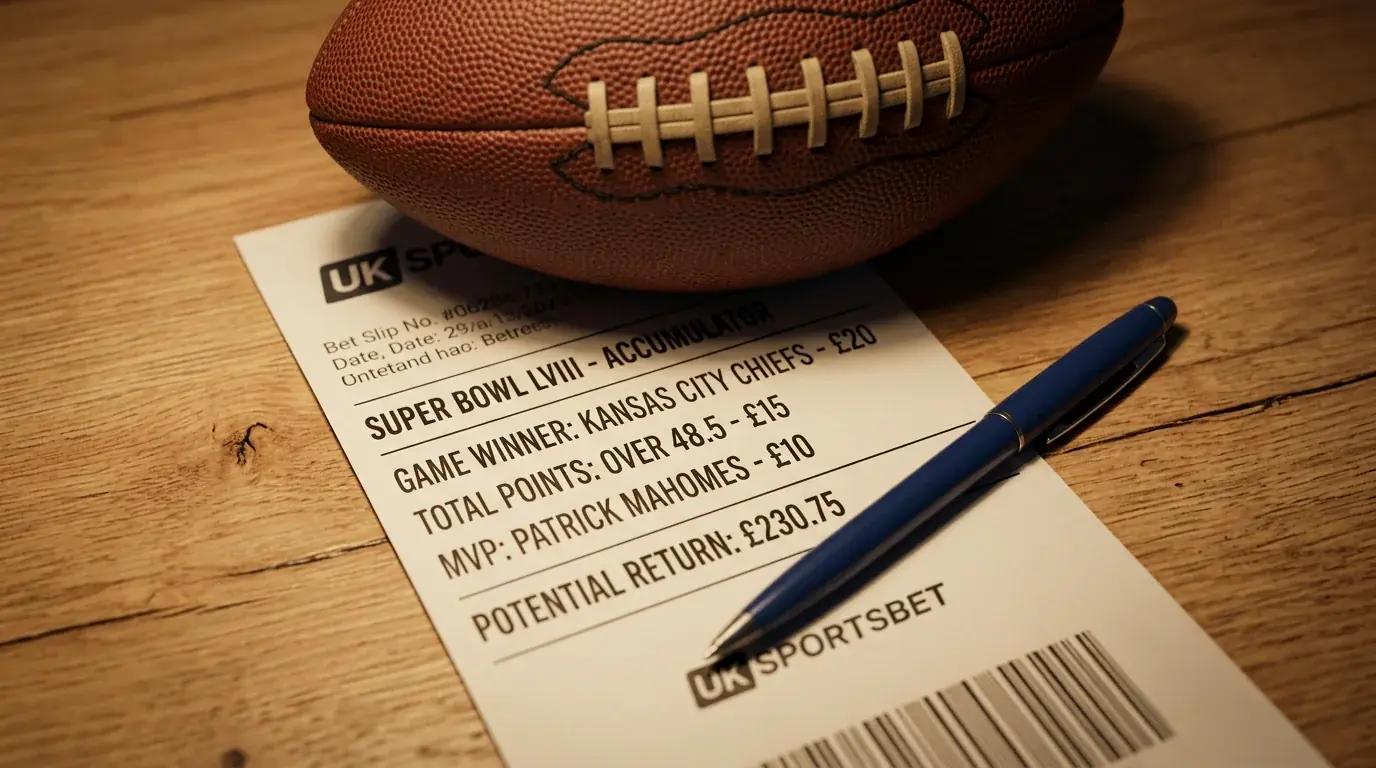
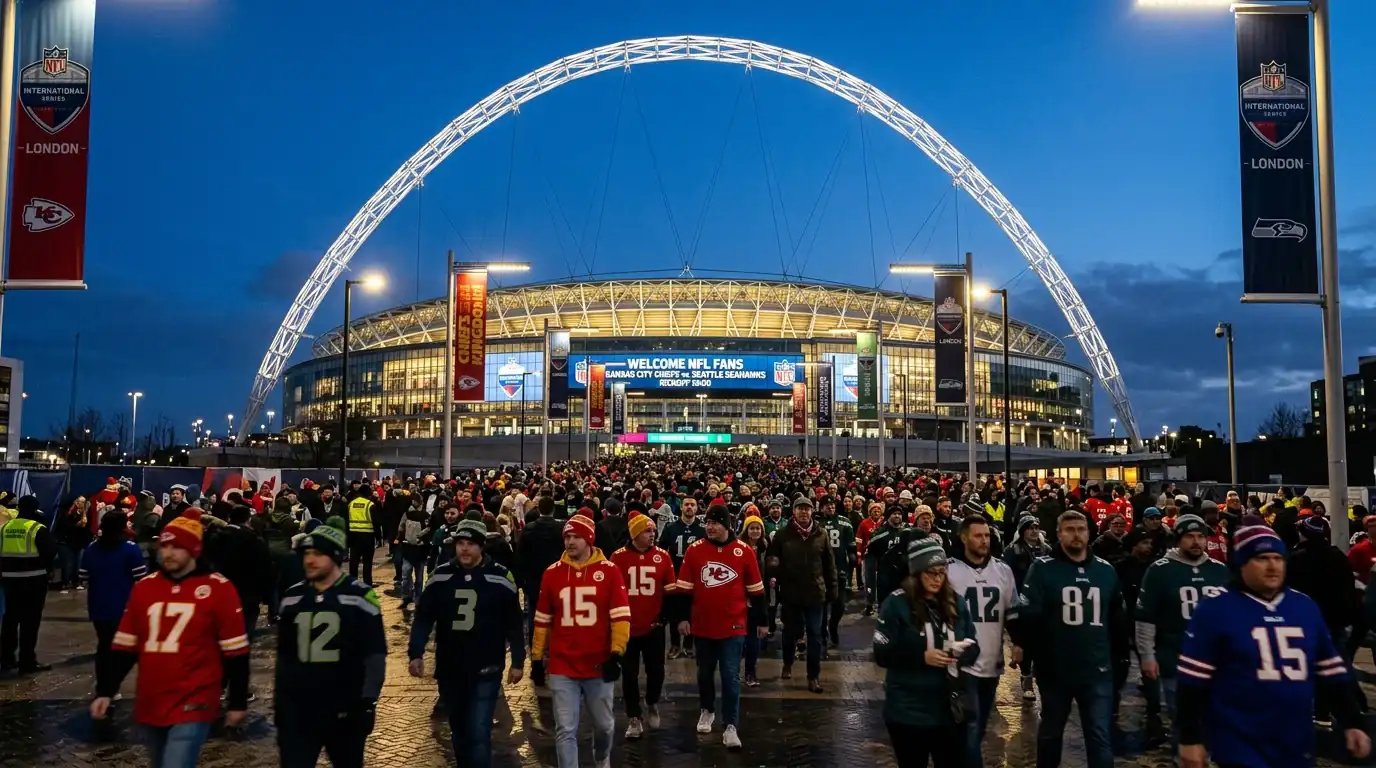
An NFL Sunday in October offers an absurd amount of betting surface area. Two London games at 14:30 and 18:00 UK time. A Sky Sports prime-time fixture at 21:00. A Sunday Night Football slot at 01:30 that runs into the early hours of Monday. Bet builders, anytime touchdown markets, alternate spreads, in-play repricing every drive – the typical UK punter who works a full slate has access to ninety or more individual betting opportunities across a single Sunday. That volume is what makes the NFL such a compelling betting product. It is also what makes responsible-gambling tools more important on this sport than on almost any other.
The UK Gambling Commission’s data tells a clear story. Around 47 percent of UK adults engage with some form of gambling annually. Sports betting is a smaller slice of that – 15 percent of men and 4 percent of women in early 2025 – but the betting-volume curve in NFL is heavily weighted toward in-play and prop markets, where decision speed matters and impulse control matters more. Tools that slow the decision down, cap the exposure, or pause the betting altogether are the structural counterweight to a product designed to be fast.
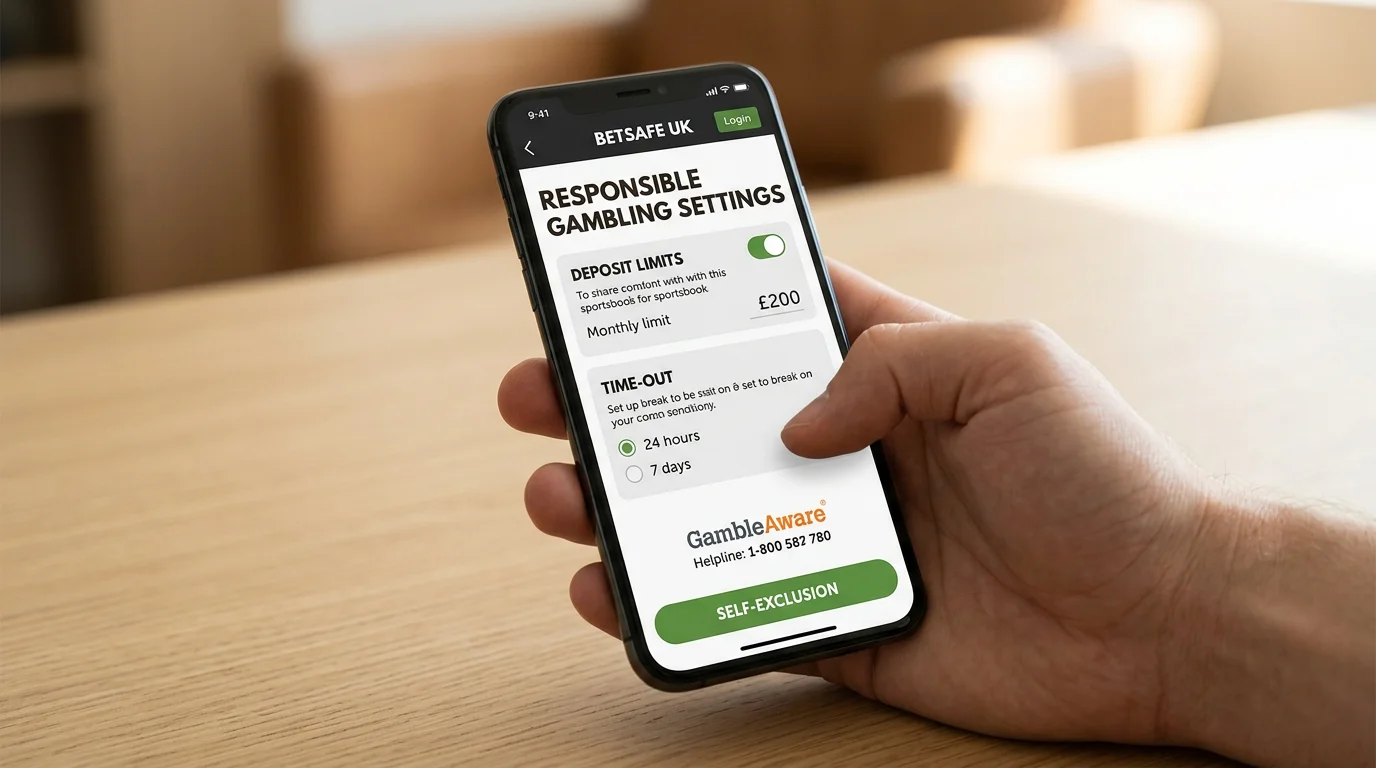
This guide walks through the four categories of responsible-gambling tools every UKGC-licensed NFL bookmaker must offer: deposit limits, time-outs, GAMSTOP self-exclusion, and Financial Risk Assessment context. The aim is not to lecture. The aim is to give a UK NFL punter the working knowledge to use these tools effectively as part of a sustainable betting practice – because the punters who last in this sport across multiple seasons are the ones who treat the tools as part of the equipment, not as warnings to be ignored.
Deposit limits: the prompt that became mandatory in October 2025
From 31 October 2025, every UKGC-licensed remote operator is required to actively prompt customers to set financial limits during onboarding and at defined intervals afterwards. The rule comes from the Remote Technical Standards update issued by the Commission earlier in the year, and it is the single most consequential responsible-gambling change in the UK market in the past decade. Before October 2025, deposit limits existed but were buried in account settings. After October 2025, the prompt is unavoidable.
The mechanic is straightforward. When you sign up for a new account at any UK-licensed sportsbook, you will be asked to set a daily, weekly or monthly deposit limit during the onboarding flow. You can decline the prompt, but the question must be asked. Existing customers receive periodic prompts to review their limits – typically annually, with operators free to prompt more often if their internal risk model flags increased activity. Adjusting a limit upward triggers a cooling-off period. Adjusting it downward takes effect immediately.
For an NFL punter, the practical use is simple. Set a deposit limit you can comfortably absorb across a full NFL season – eighteen regular-season weeks plus playoffs and preseason – divided to a sensible weekly figure. The limit should reflect what you would accept losing in a worst-case season, not what you hope to win. The asymmetric speed of changes is intentional: lowering is instant, raising takes a cooling-off window of typically 24 to 72 hours depending on the operator. That window is the friction designed to prevent in-the-moment chasing.
One specific NFL angle: deposit limits set across multiple operators stack against your overall exposure but do not communicate with each other. A £200-per-week limit at three operators is £600 in maximum weekly deposits across the portfolio. The UK regulatory frame currently treats each licensee separately for limit purposes, which means the discipline of consolidated tracking sits with the punter, not the operator. A simple spreadsheet listing every active account and its limit settings is worth the ten minutes it takes to build.
Time-outs: short, mid and long pauses
Time-out is the tool I most often recommend to UK NFL punters who are not in a crisis state but who need a structural pause from a bad week or a tilted decision-making pattern. Every UKGC-licensed operator offers time-out functionality, typically with three duration tiers: short (24 hours to 7 days), medium (7 to 30 days), and long (30 days to 6 weeks). Activation is immediate. Reversal is not possible during the active period – once the time-out clock starts, the account is locked until the period expires.
The shape of an NFL season is the right way to think about time-out usage. A bad accumulator weekend in Week 4 does not require a season-ending intervention, but it may benefit from a 48-hour cooling-off window before the Thursday Night Football slate opens. A run of losses across three consecutive weeks of in-play cash-out chasing may benefit from a 14-day time-out that resets the habit pattern before Week 8. The strategic time-out is calibrated to the size of the issue, not deployed as a panic measure after a disaster.
Time-outs do not prevent you from logging in to check pending bets that settled before the time-out started, and most operators retain access to the account dashboard during the lock period. What is blocked is new betting activity, deposits, and adjustments to limits. The discipline the time-out provides is the inability to chase, not a complete severance from the operator.
One pattern I have seen across years of advising readers: punters who use time-outs proactively – short pauses booked in advance during high-stakes weeks, scheduled mid-season breaks during the international Games window – have meaningfully better long-run results than punters who only use time-outs reactively after losing streaks. The proactive use treats the tool as part of the staking plan. The reactive use treats it as an emergency brake. Both are valuable, but the proactive use produces better outcomes across a season.
GAMSTOP and operator-level self-exclusion
GAMSTOP is the national self-exclusion service for online gambling in the UK. Registration with GAMSTOP blocks the registered customer from accessing any UKGC-licensed remote gambling operator for the duration of the self-exclusion – six months, one year, or five years. The registration is national: a single GAMSTOP entry covers every UK-licensed sportsbook, casino, and bingo product simultaneously. Once active, the lock cannot be reversed inside the chosen period. The customer must wait for the period to expire and then actively re-register if they wish to return.
Self-exclusion sits at a different level from deposit limits or time-outs. It is the tool for customers who have determined that the betting activity is itself the problem, and the appropriate response is removal from the licensed market rather than calibration of activity within it. UK-licensed operators are required to honour GAMSTOP entries, which means a self-excluded customer cannot open a new account at any licensed UK book during the lock period.
The boundary GAMSTOP does not cover is the unlicensed offshore market. A customer self-excluded through GAMSTOP can still find offshore sites willing to accept the deposit. This is one of the practical reasons the unlicensed-market enforcement effort matters – it is not just about tax revenue and consumer protection on the bet itself, it is about the integrity of self-exclusion as a public-health tool. Punters using GAMSTOP genuinely need the offshore market closed off to them, and the £26 million in additional UKGC enforcement funding announced in the Autumn Budget 2025 is partly aimed at reinforcing that boundary.
Operator-level self-exclusion is the parallel mechanism for cases where a customer wants to lock out one specific book without triggering the full national lock. Most UK operators offer durations from six months upward at the account level. The use case is narrower than GAMSTOP – typically a customer who has had a problematic experience at one specific operator but who continues to bet sensibly at others. The mechanism is in place because it serves a real subset of cases, but for any customer in genuine difficulty the national GAMSTOP route is the right tool.
Financial Risk Assessment: who actually sees one
The Financial Risk Assessment system is the single most misunderstood piece of the UK gambling regulatory frame in 2026. The headlines suggested that every customer would be subject to invasive financial checks. The reality, as Tim Miller at the UK Gambling Commission set out at the Ethical Gambling Forum in April 2026, is much narrower. Less than 3 percent of active accounts trigger an FRA at all, and 97 percent of those triggers are processed frictionlessly without any customer involvement. Less than 0.1 percent of UK bettors will ever knowingly encounter an FRA process across their entire betting life.
“We have found that there is a group of vulnerable customers that are not currently being identified by other approaches,” Miller said when describing the pilot results. “Customers in the pilot cohort were between twice and four times more likely to have a debt management plan and between twice and five times more likely to have a default in the last 12 months than comparable consumers in the population.” The FRA is a targeted intervention designed to surface a small group of vulnerable customers who were slipping through other safeguards. It is not a general financial check on ordinary punters.
The trigger thresholds are calibrated tightly. A customer must hit specific cumulative loss thresholds, sustained activity patterns, and escalating deposit behaviour to enter the pilot cohort. The vast majority of UK NFL punters – including those who bet seriously across a full season at thoughtful stakes – will never come close to the trigger conditions. The FRA pilot is not designed to catch you. It is designed to catch the small minority of customers whose activity patterns suggest active financial distress.
For the small share of customers who do trigger an FRA, the process typically involves an automated check against credit bureau data with no customer-facing friction. The 97 percent frictionless rate means that even within the triggered cohort, most customers continue betting normally without any visible interruption. The remaining 3 percent of triggered cases – the cohort with active financial distress signals – receive a more substantive intervention, which may include account review, deposit limit adjustment, or signposting to support services.
The FRA system is the regulatory backstop behind the more visible tools. Deposit limits, time-outs and GAMSTOP are customer-driven. The FRA is operator-driven, with regulator oversight, and it operates quietly behind the scenes for the small minority of cases where customer-driven tools have not been enough. Understanding that the FRA exists is part of understanding why the UK licensed market is the safest betting environment available – but expecting to encounter it is unrealistic for the typical NFL punter.
For the parallel context of how the UK regulatory funding model behind these tools is changing, the guide to the UK statutory gambling levy walks through the funding mechanism that supports the harm-reduction infrastructure across the next funding cycle. The tools described here are funded through that levy in the post-2025 model.
Building the tools into your NFL season
The right way to use responsible-gambling tools is to integrate them into the NFL season rather than to deploy them only when something goes wrong. Set a deposit limit at the start of August before the preseason opens. Schedule a 48-hour time-out around the international Games weekends in October when the betting volume spikes. Review your limits ahead of Super Bowl week when the prop boards expand and the chalk-money temptation is at its peak. Each of these is a small, specific intervention that prevents a small problem from becoming a larger one.
The tools are part of the equipment of UK NFL betting, like the line-shopping discipline and the bankroll plan. Punters who treat them that way last across multiple seasons. Punters who treat them as warnings to ignore are the punters who burn out by the end of the regular season and go quiet by playoff weekend. The choice is not between being a serious punter and being a responsible one. It is between being a punter who lasts and a punter who does not.
Can deposit limits be reduced instantly?
Yes. Reductions in deposit limits at any UKGC-licensed operator take effect immediately, with no cooling-off period. Increases require a defined cooling-off window – typically 24 to 72 hours depending on the operator – designed to prevent in-the-moment limit changes during active betting sessions.
Does GAMSTOP cover offshore NFL sportsbooks?
No. GAMSTOP only covers UKGC-licensed operators. Self-excluded customers can still technically access offshore sites that operate outside UK regulation, which is one of the reasons the UKGC enforcement effort against the illegal market matters as a complement to the self-exclusion infrastructure.
Written by the editors at nfl Betting Markets.